
Cezanne and Us, at the Grand Palais
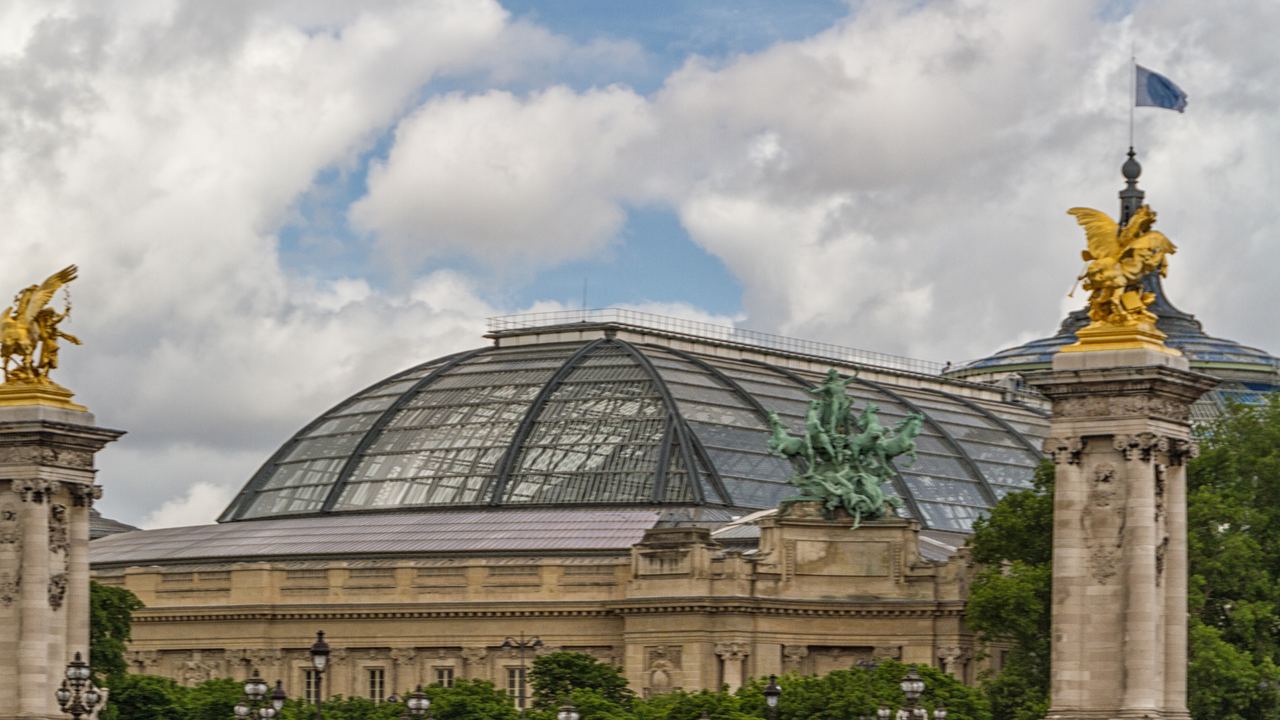
Held at the Grand Palais, this exhibition explores the evolving perception of Paul Cézanne (1839-1906). It brings together his paintings with those of artists who discovered, collected, or were inspired by his work, extending to contemporary art. Some rooms recreate historical exhibitions, while others directly juxtapose the artworks.
In the 1880s, while Cézanne exhibited infrequently, Monsieur Tanguy and other collectors still made it possible to see and purchase his paintings. The exhibitions organized by Ambroise Vollard between 1895 and 1901, the Caillebotte bequest of 1894, and the acquisition of two paintings by the Musée du Luxembourg, followed by the Autumn Salons, all contributed to his growing recognition. In the 1910s, the avant-garde artists and major international collectors began to embrace his work.
The exhibition also explores the connections with symbolism, particularly through Maurice Denis's "Homage to Cézanne," painted in 1900. It then traces the interpretations of Cézanne between the two World Wars, examining lyrical abstraction and hard-edge painting after 1945, and finally, postmodernism. The aim is to understand how each generation constructs its own interpretation of Cézanne, going beyond his role solely within Impressionism.
Claire Bernardi, director of the Orangerie Museum, and Xavier Rey, director of the National Museum of Modern Art, are the general curators. Jean-Rémi Touzet, curator at the Musée d'Orsay, and Michel Gauthier, curator at the Centre Pompidou, are also curators of the exhibition. The exhibition is a co-production of the Grand Palais Rmn, the Centre Pompidou, and the public institutions of the Musée d'Orsay and the Orangerie. It will be held outside of the Musée d'Orsay.