
Family Stories
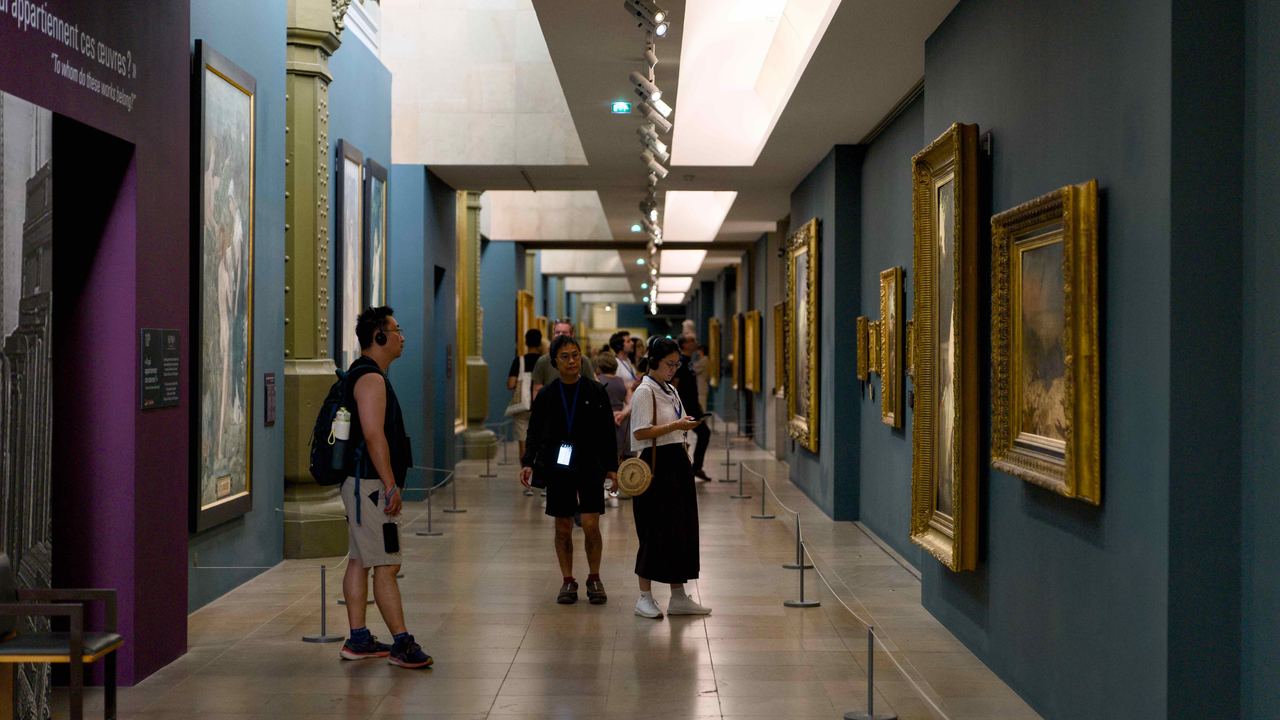
"Family Stories" explores the ways of life within French families from 1848 to 1914. Paintings, sculptures, photographs, films, drawings, and archival materials from the Musée d'Orsay collections reveal how family relationships evolved alongside changes in the law, social dynamics, and prevailing ideas. The Civil Code, bourgeois values, the emergence of feminist movements, and new conceptions of marriage all provide the context for these images.
Following an introduction exploring the relationship between family and politics, the exhibition is structured into five sections. The section on "Home and Domestic Life" brings together the extended families depicted by artists like Degas, Tissot, and Bazille, alongside the more precarious family situations represented by Daumier and Stevens. "Rosa Bonheur and her menagerie in Thomery," as well as the connections between animals and humans in early films, broaden the definition of the home.
A second section explores the roles of mothers: pregnancy, breastfeeding, old age, infertility, adoption, abandonment, and the loss of a child. Mothers, nannies, factory workers, and artists are depicted in various situations, notably in the works of Berthe Morisot or through the portrayal of the Countess of Castiglione. The section dedicated to fathers examines themes of name, authority, and inheritance, but also features affectionate figures like Zola and Léopold Chauveau. Albums, phonograph cylinders, and stuffed animals preserve traces of these relationships.
Relationships between siblings often reveal a complex interplay of mutual support, rivalry, and grief. The conflict between the Tournachon brothers regarding the name Nadar, the scenes of tenderness in Stevens' work, and Redon's pastels all provide examples of this. The final section explores the dynamics of couples, examining the interplay between marriage, desire, social constraints, and the rejection of exclusivity.
Maurice and Marthe Denis, Bonnard and Maria Boursin, Claudel and Rodin, Monet and Camille Doncieux, Misia Natanson, Verlaine and Rimbaud are among the stories explored. Victor Hugo, the Lumière brothers, and Alice Guy also feature in this collection of works and documents. Contemporary figures are given the freedom to connect these historical narratives with modern families.
The department is overseen by Servane Dargnies, the head curator of paintings, and Marie Robert, the head curator of photography and film.